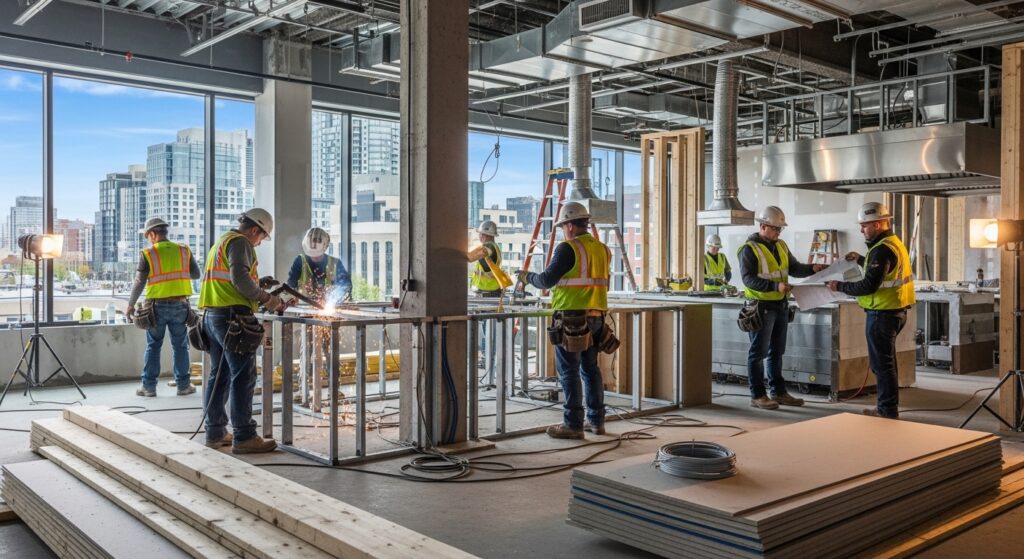
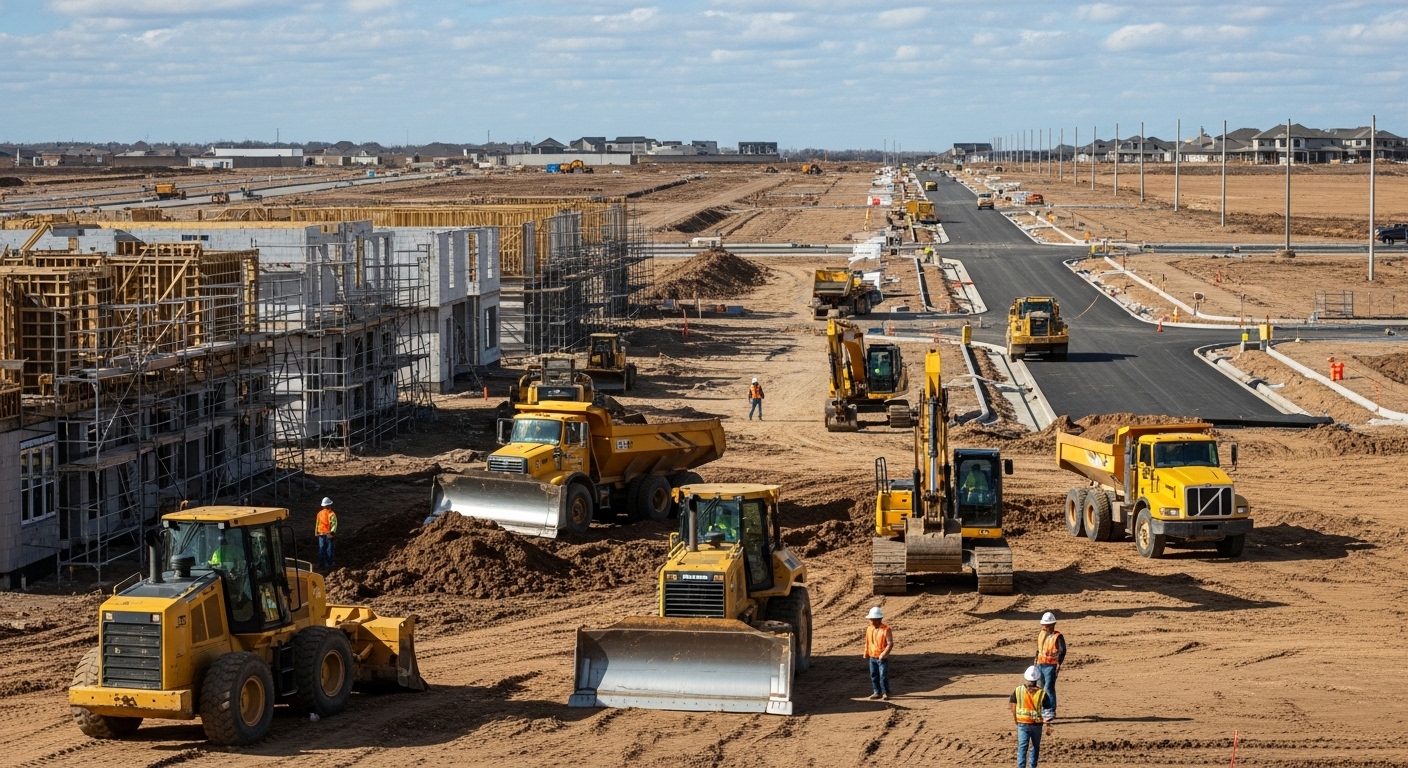
Land development plays a central role in shaping communities, supporting economic growth, and building residential and commercial spaces. Whether you are a property investor, builder, or homeowner, understanding how land development works is essential for making informed decisions. With increasing demand for Development, New Home Development, and modern infrastructure, this sector continues to evolve rapidly—especially in growing regions like Calgary.
What Is Land Development?
Land improvement is the process of converting raw or undeveloped land into usable property for residential, commercial, industrial, or community use. This process includes planning, surveying, zoning approvals, design, infrastructure installation, and final site preparation.
In simple terms, land development transforms open land into functional spaces like housing communities, commercial plazas, schools, and road networks. For areas experiencing rapid growth—such as New Home Development Calgary—understanding this process is crucial for sustainable expansion.
Why Land Development Matters Today
Land development is vital for creating safe, efficient, and livable communities. Modern projects focus on sustainable layouts, durable materials, and infrastructure that supports long-term growth. Developers and construction companies work together to create land that is ready for buildings, services, and utilities.
Supports New Construction Projects
Residential and commercial builders rely on well-developed land to start successful construction projects.
Promotes Sustainable Community Growth
Modern development includes smart layouts, green spaces, drainage systems, and environmentally responsible planning.
Increases Property Value
Well-developed plots typically appreciate over time due to improved infrastructure and accessibility.
Helps Meet Housing Demands
Growing cities like Calgary need continuous New Home Development to meet rising population needs.
Types of Land Development Projects
Land development can take many forms depending on the intended use of the property. Here are the most common project types:
| Land Development Type | Description |
|---|---|
| Residential Development | Preparing land for single-family homes, townhomes, or apartments. |
| Commercial Development | Making land suitable for plazas, offices, retail stores, and businesses. |
| Industrial Development | Preparing large plots for factories, warehouses, and logistic centers. |
| Community Infrastructure | Designing land for parks, schools, hospitals, and public facilities. |
Each type requires its own planning, design, and approval process, but the core steps remain similar.
Key Steps in the Land Development Process
Land development is a structured and regulated process. Below is a simplified step-by-step guide often used by builders and developers in Canada and beyond.
Step 1: Initial Land Assessment
The first stage involves evaluating the property. Developers consider factors such as soil quality, topography, zoning restrictions, and environmental limitations.
Step 2: Planning and Concept Design
Architects and planners create initial layouts showing roads, utilities, building sites, and open spaces.
Step 3: Zoning and Regulatory Approval
Developers must obtain approval from local authorities. This phase may include environmental assessments, public consultations, and design studies.
Step 4: Site Preparation and Earthwork
The land is cleared, graded, and prepared for future construction. Infrastructure installation begins.
Step 5: Utility Installation
Water, sewage, storm drainage, power lines, and communication systems are placed according to the design.
Step 7: Final Inspection and Construction Readiness
After inspections and approvals, the land becomes ready for construction land development, housing builds, or commercial construction.
Benefits of Proper Land Development
High-quality land development offers numerous advantages for cities, homeowners, and developers. Below are the primary benefits:
| Benefit | Explanation |
|---|---|
| Efficient Infrastructure | Proper planning results in better roads, drainage, and utility systems. |
| Higher Land Value | Developed plots attract buyers and investors. |
| Enhanced Safety | Good development includes safe roads, sidewalks, and stormwater management. |
| Sustainable Use of Land | Well-designed layouts reduce waste and maintain ecological balance. |
| Faster Construction | Builders can begin projects more quickly on fully prepared land. |
Land Development for New Home Projects
As cities expand, demand for New Home Development continues to grow. Land development ensures that new residential areas include:
Strong Infrastructure
New housing communities rely on durable water lines, sewer systems, and roads.
Smart Community Layouts
Modern developments often include pedestrian pathways, parks, and organized lot sizes.
Long-Term Growth
Well-developed land supports future schools, shopping areas, and public services.
For regions like New Home Development Calgary, these factors are essential for sustainable city growth.
How Land Development Supports Construction Companies
Professional construction companies depend on properly developed land to deliver high-quality structures. Developers and contractors work together to ensure:
Accurate Site Measurements
Surveying ensures every structure fits within approved boundaries.
Improved Timeline Efficiency
When site conditions are optimized, construction projects begin sooner and proceed smoothly.
Compliance With Local Regulations
Proper development ensures that every project meets zoning and safety standards.
Common Challenges in Land Development
While rewarding, land development can be complex. Typical challenges include:
-
Regulatory delays
-
Environmental concerns
-
Utility limitations
-
Topography issues
-
Surveying or boundary inconsistencies
Working with experienced construction and land development professionals helps reduce these risks.
About Our Site
Our company specializes in construction and design services, focusing on high-quality residential, commercial, and community projects. With extensive experience in planning, design, and development, we help clients transform raw land into well-prepared, construction-ready spaces. Our team is committed to delivering durable, sustainable, and expertly designed solutions for new home communities and modern construction projects across various regions.
Conclusion
Land evolution is a crucial process that prepares raw land for housing, commercial structures, and community growth. With rising demand for Construction Land Development and New Home Development, understanding these processes helps builders, homeowners, and investors make better decisions. A well-developed property not only improves infrastructure but also enhances long-term value and supports stronger communities.
FAQs
1. What is the first step in land development?
The first step is a complete land assessment, which includes reviewing soil, zoning rules, environmental conditions, and topography.
2. How long does the land development process take?
The timeframe varies depending on project size, approval requirements, and site conditions. Each phase must be completed in sequence for successful development.
3. What professionals are needed for land improvement?
Typically, land surveyors, architects, planners, and construction specialists are involved.
4. Why is land evolution important for new home communities?
It ensures that residential properties are supported by strong utilities, safe road networks, efficient drainage, and long-term expansion potential.
5. What factors influence the success of a land development project?
Key factors include proper planning, regulatory compliance, skilled professionals, and sustainable layout design.