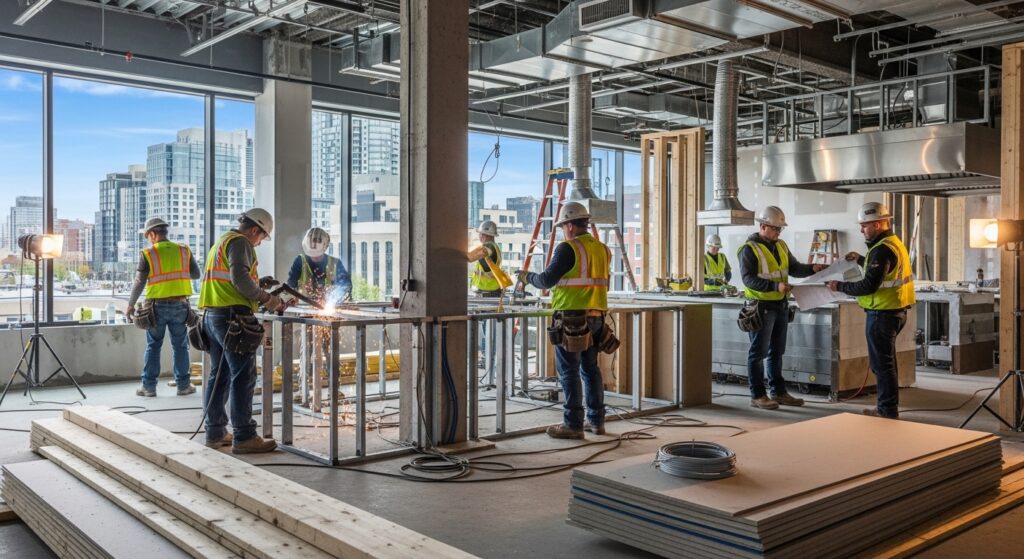
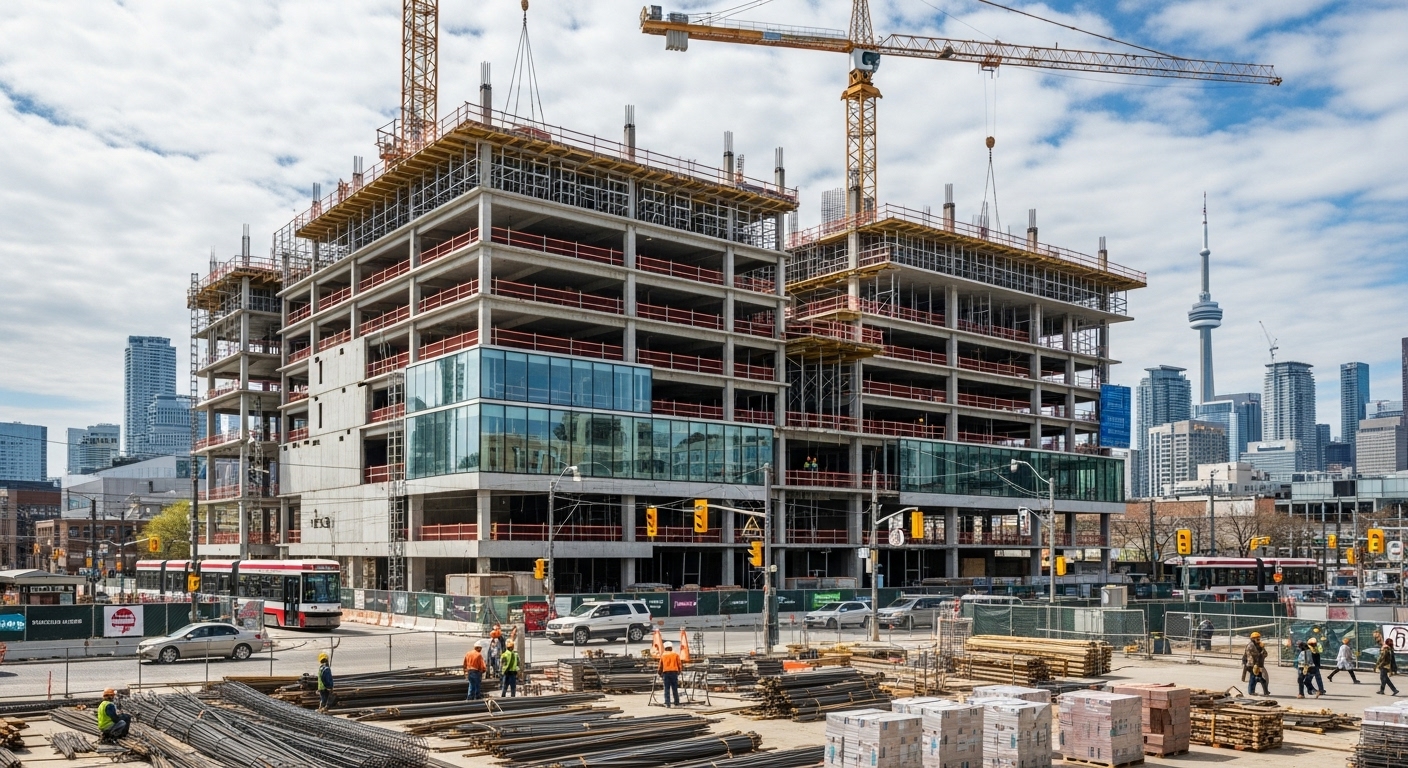
Toronto’s retail landscape is experiencing unprecedented growth, with new commercial developments reshaping neighborhoods across the Greater Toronto Area. Among these developments, grocery stores represent one of the most critical infrastructure investments, serving as community anchors that drive foot traffic and economic vitality. If you’re considering commercial grocery store construction Toronto as your next venture, understanding the complexities, opportunities, and best practices in this specialized field is essential for success.
The grocery retail sector in Toronto has evolved dramatically over the past decade, with consumer preferences shifting toward convenience, sustainability, and enhanced shopping experiences. This transformation has created unique opportunities for developers, retailers, and construction professionals who understand how to navigate Toronto’s regulatory environment while delivering projects that meet modern market demands.
Understanding the commercial grocery store construction Toronto Landscape
Current Market Dynamics
Toronto’s grocery market is characterized by intense competition and rapidly changing consumer behaviors. The pandemic accelerated trends toward online grocery shopping, curbside pickup, and hybrid retail models that combine traditional shopping with digital convenience. These shifts have profound implications for commercial grocery store construction Toronto projects.
Key market indicators include:
- Increasing demand for neighborhood-scale grocery stores (15,000-25,000 sq ft)
- Growth in specialty and organic food retailers
- Integration of food service and prepared meal options
- Enhanced focus on cold storage and distribution capabilities
- Rising importance of sustainable building practices
Site Selection and Zoning Considerations
Successful grocery store construction begins with strategic site selection. In Toronto, zoning regulations vary significantly between districts, and understanding these nuances can make or break a project. Commercial zoning classifications such as CR (Commercial Residential) and CG (General Commercial) each present different opportunities and constraints for grocery development.
Traffic patterns, public transit accessibility, and demographic analysis play crucial roles in site evaluation. The most successful grocery stores typically locate within walking distance of residential communities while maintaining easy vehicle access for shoppers who prefer to drive.
Key Planning Phases for Commercial Grocery Store Construction Toronto
Pre-Construction Planning and Design
The foundation of any successful commercial grocery store construction Toronto project lies in comprehensive planning. This phase involves multiple stakeholders including architects, designer, retail consultants, and regulatory specialists who understand Toronto’s unique requirements.
Critical planning elements include:
Site Analysis and Feasibility Studies
- Traffic impact assessments
- Environmental impact evaluations
- Soil condition analysis
- Utility infrastructure capacity review
Architectural Design Considerations
- Store layout optimization for customer flow
- Loading dock positioning and sizing
- Parking lot design and accessibility compliance
- Integration with surrounding neighborhood character
Mechanical and Electrical Systems Planning
- HVAC systems designed for multiple temperature zones
- Electrical infrastructure supporting high-demand equipment
- Emergency backup systems for refrigeration continuity
- Energy-efficient lighting and control systems
Regulatory Compliance and Permitting
Toronto’s regulatory environment for commercial construction involves multiple layers of approval, from municipal building permits to provincial health and safety requirements. The permitting process for grocery stores includes additional complexity due to food handling requirements and refrigeration systems.
Essential permits and approvals include:
- Building permits from the City of Toronto
- Electrical permits for high-voltage refrigeration systems
- Plumbing permits for food preparation areas
- Fire department approvals for emergency access
- Health department approvals for food handling areas
- Environmental approvals for refrigerant systems
Working with experienced construction professionals who understand these requirements can significantly reduce project timelines and avoid costly delays.
Specialized Construction Requirements for Grocery Stores
Refrigeration and Cold Storage Systems
Modern grocery stores require sophisticated refrigeration systems that maintain multiple temperature zones while optimizing energy efficiency. Commercial grocery store construction Toronto projects must account for Toronto’s climate extremes, designing systems that perform reliably in both summer heat and winter cold.
Advanced refrigeration considerations include:
- Central refrigeration systems with distributed cooling
- CO2 refrigeration systems for environmental compliance
- Backup power systems to prevent product loss
- Insulated construction to minimize energy consumption
- Drainage systems designed for condensation management
Structural and design for Heavy Loads
Grocery stores present unique structural challenges due to heavy equipment loads, including walk-in coolers, freezers, and storage racking systems. The structural design must accommodate these loads while providing the open floor plans that modern retail requires.
Key structural elements include:
Foundation Systems
- Deep foundations to support heavy refrigeration equipment
- Vapor barriers to prevent moisture infiltration
- Insulated concrete slabs in refrigerated areas
Roof and Wall Systems
- Structural steel framing for large span requirements
- Insulated wall assemblies meeting energy code requirements
- Roof systems designed for HVAC equipment loads
Food Safety and Sanitation Design
Toronto’s public health requirements mandate specific design features for food handling areas within grocery store design and build. These requirements influence everything from floor materials to ventilation systems, requiring specialized knowledge of food safety regulations.
Design features for food safety include:
- Seamless flooring materials in food preparation areas
- Dedicated ventilation for bakery and deli departments
- Separate storage areas for different product categories
- Hand washing stations positioned according to health code requirements
Technology Integration in Modern Grocery Construction
Smart Building Systems
Contemporary commercial grocery store construction Toronto projects increasingly incorporate smart building technologies that improve operational efficiency and customer experience. These systems include automated lighting controls, advanced security systems, and integrated point-of-sale technology infrastructure.
Technology integration considerations include:
Network Infrastructure
- Fiber optic cabling for high-speed data transmission
- Wireless network coverage throughout the store
- POS system connectivity and backup communications
Security and Monitoring Systems
- Digital surveillance systems with remote monitoring
- Access control systems for staff areas
- Inventory monitoring and loss prevention technology
Environmental Control Systems
- Automated lighting controls based on occupancy and daylight
- Smart HVAC systems with zone-based temperature control
- Energy monitoring and reporting systems
Sustainable Construction Practices
Environmental sustainability has become a critical factor in grocery store construction, driven by both regulatory requirements and corporate social responsibility initiatives. Toronto’s Green Standards program provides incentives for developments that exceed minimum environmental performance requirements.
Sustainable design elements include:
- High-performance building envelope systems
- LED lighting throughout the facility
- Rainwater collection and management systems
- Electric vehicle charging stations in parking areas
- Native landscaping requiring minimal irrigation
Working with Construction Professionals
Selecting the Right Construction Partner
The complexity of commercial grocery store construction Toronto projects demands working with construction professionals who understand the unique requirements of retail food environments. Experience with refrigeration systems, food safety regulations, and Toronto’s permitting processes are essential qualifications.
When evaluating construction partners, consider:
Experience and Expertise
- Track record with grocery store projects
- Understanding of food safety requirements
- Familiarity with Toronto’s regulatory environment
- References from previous retail clients
Project Management Capabilities
- Ability to coordinate multiple specialized trades
- Experience managing fast-track construction schedules
- Strong relationships with local suppliers and subcontractors
- Proven safety record in commercial construction
At cannon construction and design, we specialize in commercial grocery store construction throughout the Toronto area, bringing deep expertise in retail construction and a comprehensive understanding of local regulations. Our team manages every aspect of the construction process, from initial site preparation through final occupancy, ensuring projects are completed on time and within budget.
Cost Management and Budget Planning
Grocery store construction involves significant capital investment, making accurate cost estimation and budget management critical to project success. Costs can vary significantly based on factors including site conditions, store size, and level of finish quality.
Typical cost considerations include:
Hard Construction Costs
- Site preparation and foundation work
- Structural and building envelope systems
- Mechanical, electrical, and plumbing systems
- Specialized refrigeration equipment
- Interior finishes and fixtures
Soft Costs and Professional Services
- Architectural and designer design
- Permits and regulatory approvals
- Construction management and oversight
- Testing and commissioning services
Timeline and Project Scheduling Considerations
Typical Construction Phases and Duration
Commercial grocery store construction Toronto projects typically require 8-14 months from groundbreaking to grand opening, depending on project size and complexity. Understanding typical phase durations helps in planning and resource allocation.
Standard project timeline includes:
Phase 1: Site Preparation (4-8 weeks)
- Demolition of existing structures if required
- Site grading and utility connections
- Foundation excavation and concrete work
Phase 2: Structural Construction (8-12 weeks)
- Steel erection and roof installation
- Exterior wall construction
- Basic mechanical and electrical rough-in
Phase 3: Interior Construction (12-16 weeks)
- Refrigeration system installation
- Interior partitions and finishes
- Electrical and lighting installation
- Flooring and ceiling systems
Phase 4: Final Fit-out and Opening (4-6 weeks)
- Equipment installation and testing
- Final inspections and approvals
- Staff training and systems testing
- Grand opening preparation
Weather Considerations and Seasonal Planning
Toronto’s climate presents both opportunities and challenges for construction scheduling. Winter construction can continue with proper planning, though some activities may require weather protection or seasonal adjustments.
Seasonal planning considerations include:
- Concrete work scheduling around freeze-thaw cycles
- Roofing and exterior work timing
- Equipment delivery and installation logistics
- Final landscaping and parking lot completion
Conclusion
The opportunities in commercial grocery store construction Toronto are substantial, driven by population growth, changing consumer preferences, and ongoing urban development. Success requires understanding the complex interplay of market dynamics, regulatory requirements, specialized construction techniques, and emerging technology trends.
Working with experienced construction professionals who understand Toronto’s unique environment is essential for navigating the challenges and capitalizing on the opportunities in this dynamic market. From initial concept through grand opening, every decision impacts the long-term success of your grocery retail investment.
Ready to begin your commercial grocery store construction project in Toronto? Contact the experts at today for a comprehensive consultation. Our team brings decades of experience in retail construction, deep knowledge of Toronto’s regulatory environment, and a commitment to delivering projects that exceed expectations. Let us help you build the foundation for your retail success – schedule your project consultation today and discover why leading retailers choose Cannonstruct for their most important construction projects.
FAQs
Q: What permits are required for commercial grocery store construction Toronto?
A: Grocery store construction requires multiple permits including building permits, electrical permits for refrigeration systems, plumbing permits, fire department approvals, and health department approvals for food handling areas.
Q: How long does commercial grocery store construction typically take in Toronto?
A: Most projects require 8-14 months from groundbreaking to opening, depending on store size, complexity, and site conditions. Weather and permitting can affect timelines.
Q: What are the key design considerations for grocery store refrigeration systems?
A: Modern systems must maintain multiple temperature zones efficiently, comply with environmental regulations for refrigerants, include backup power systems, and be designed for Toronto’s climate extremes.
Q: How much does commercial grocery store construction cost in Toronto?
A: Costs vary significantly based on size, location, and finish quality. Factors include site conditions, refrigeration complexity, and local labor costs. Professional cost estimation is essential for accurate budgeting.
Q: What sustainable construction practices are recommended for grocery stores?
A: Key practices include high-performance building envelopes, LED lighting, rainwater management, electric vehicle charging, energy monitoring systems, and native landscaping.
Contact Us Today
Have questions or need instant help? Talk directly to our experts.
+1 403 918 0493
Email Us Anytime
Prefer writing to us? Send us your query and we’ll respond within 24 hours.
canadaproject237@gmail.com
info@cannonstruct.com