Home construction is more than just erecting walls and laying a roof—it’s the foundation of your future life, the physical manifestation of your dreams and lifestyle. Whether you’re envisioning a custom-built residence in Calgary or planning major renovations on an existing home, understanding the stages, benefits, and challenges is essential. In this guide, we walk you through everything you need to know about home construction, offering practical insights and expert advice to help you make informed decisions.
What Is Home Construction?
Home construction refers to the process of building a residential structure from the ground up (new builds) or renovating an existing property. This process typically involves planning, design, permitting, construction, inspection, and handover phases. Depending on your goals, home construction can mean working with custom home builders, developing a new home in Calgary, or undertaking custom home renovations in Calgary.
Why Choose a New Home Construction?
1. Full Customization & Personalization
One of the biggest advantages of working with construction new home builders is the ability to tailor every aspect of your home—from the floor plan and finishes to energy-efficient features and architectural style. As one Calgary-based builder puts it, building new lets you pick exactly what fits your lifestyle and budget.
2. Energy Efficiency and Long-Term Savings
Newly constructed homes in Calgary often include advanced insulation, high-performance windows, and modern HVAC systems, which lead to lower energy bills.
3. Reduced Maintenance
Because all systems are brand new—plumbing, electrical, roofing—you’re less likely to deal with costly repair work compared to an older home.
4. Warranty and Peace of Mind
New-home construction often comes with builder warranties that cover structural defects and major systems, giving homeowners confidence and protection.
5. Resale Value
Well-built homes with modern features tend to hold their value and appeal to future buyers. Custom-designed homes, especially, can reflect timeless design elements while incorporating current trends.
Understanding the Construction Process
Here’s a step-by-step overview of how home construction typically works, with a special eye toward new home development in Calgary.
| Phase | What Happens |
|---|---|
| 1. Initial Consultation & Planning | You meet with builders/designers to discuss vision, budget, site conditions, and timeline. |
| 2. Architectural Design | Your in-house or external architect creates plans, 3D renderings, and layouts based on your requirements. |
| 3. Permits & Approvals | Builders handle the permit process. In Calgary, you often need a Single Construction Permit that bundles building, trade, and specialty permits. |
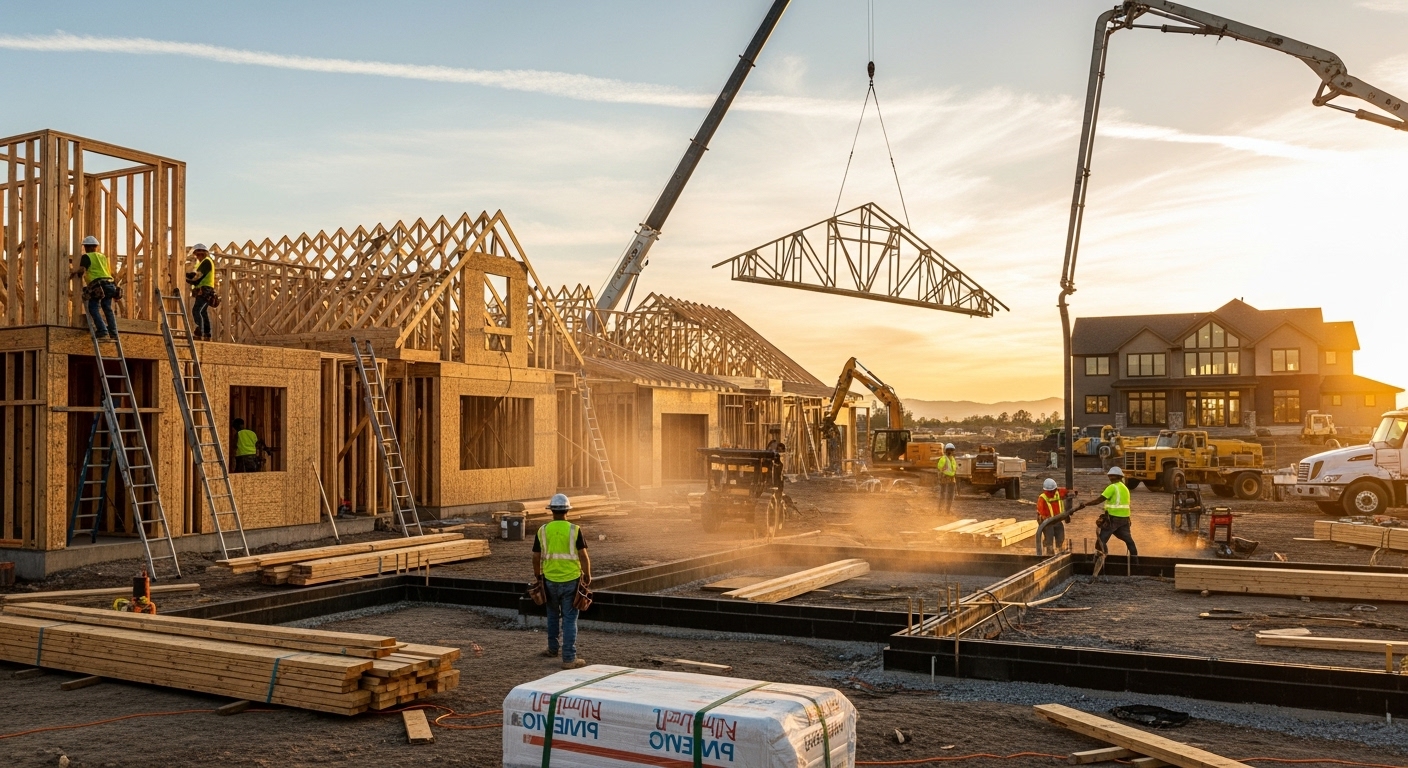
| 4. Construction Phase | Includes foundation, framing, roofing, rough-ins, insulation, drywall, finishes, and systems installation. |
| 5. Inspections | Regular inspections ensure compliance with local building codes and municipal regulations. |
| 6. Final Walkthrough & Handover | A thorough final inspection is done. Once approved, you take possession of your completed home. |
Key Players in Home Construction
-
Custom Home Builders: Specialized contractors like those in Calgary design and build homes tailored to individual clients.
-
Architects/Designers: Translate your ideas into functional and aesthetically pleasing plans.
-
General Contractor: Manages the entire construction process, hiring and coordinating trades.
-
Tradespeople: Subcontractors like electricians, plumbers, framers, and HVAC installers.
-
Inspectors / Permitting Authorities: Ensure building code compliance and sign off on major elements. In Calgary, this includes trade permits and development permits.
Advantages of Using Local Builders in Calgary
Choosing a local builder gives you several advantages:
-
Regulatory Expertise: Calgary-based companies are intimately familiar with local building codes, zoning, and permit requirements.
-
Climate Considerations: Local contractors understand Calgary’s weather patterns and soil conditions, allowing them to use materials and methods suitable for the region.
-
Efficient Project Timelines: Local teams often have established relationships with suppliers and trade partners, improving logistics and delivery.
-
Energy-Efficient Builds: Local builders frequently incorporate energy-saving systems that align with Calgary’s energy rebate and efficiency incentives.
Tips for Building Successfully
-
Set a Realistic Budget and Timeline
New home construction in Calgary typically takes around 12 months, depending on size and complexity. -
Choose the Right Builder
Look for licensed general contractors who are insured, experienced, and transparent. For example, Cannon Construction & Design holds $5 M in liability coverage and is fully licensed. -
Ask About Energy Efficiency
Prioritize builders who use sustainable materials or recommend energy-efficient systems. -
Handle Permits Early
Let the contractor navigate the permit phase to avoid delays due to zoning or code issues. -
Inspections Matter
Even with reputable builders, independent inspections are essential. According to owner‑builders on Reddit, some new builds in Calgary have missed quality benchmarks. -
Document Everything
Maintain records of change orders, contractual agreements, and specifications. This reduces risk and increases transparency. -
Warranty Awareness
Confirm what your builder’s warranty covers and ask for details in writing. New home development calgary new-home warranty structures often include multiple coverage tiers.
Custom Home Renovations: When to Renovate Instead of Rebuild
If you already own a home, major changes don’t always require starting from scratch. Custom home renovations in Calgary can deliver impressive benefits:
-
Preserve location and community: Keep your spot in a cherished neighborhood while upgrading to your style.
-
Avoid the stress of land purchase: Renovating saves you from buying a new lot or dealing with earthwork.
-
Energy upgrades: You can retrofit insulation, windows, and systems to modern standards.
-
Incremental improvements: Work can be staged room by room rather than in a massive build.
-
Cost predictability: Experienced renovators can provide accurate cost estimates, reducing financial surprises.
Risks and Challenges to Watch Out For
While building a new home has many upsides, it’s not without challenges:
-
Delays & Supply Chain Issues: Material delivery or labor shortages can throw off your timeline.
-
Hidden Costs: Upgrades, landscaping, and finishing touches may drive up the budget. Some homeowners report paying extra for items not included in the base contract.
-
Quality Control: Subcontracted labor sometimes results in inconsistent work. Several homeowners on Reddit warn that low-quality workmanship in new builds is common.
-
Community Infrastructure: New developments may lack mature amenities, like schools or parks, which develop later.
-
Warranty Limitations: Coverage is time-bound, and not all defects are always covered. It’s critical to know what is and isn’t in the builder’s warranty policy.
How to Choose the Right Builder: Expert Tips
Here are some expert strategies to pick a trustworthy builder:
-
Review Past Projects: Ask to see completed homes, especially in your area or similar size.
-
Check Licenses & Insurance: Make sure your builder is properly licensed, insured (liability, workers’ comp), and holds certifications.
-
Read Reviews & Ask References: Speak with past clients. Online reviews and word-of-mouth help.
-
Understand Contract Terms: Make sure your contract clearly defines scope, materials, draw schedule, and change order processes.
-
Use Independent Inspectors: Hire your own inspectors to verify completed work rather than relying solely on the builder’s assessments.
-
Ensure Transparency Around Financing: If you’re financing, know the draw schedule, how payments will work, and what happens if there are delays or cost overruns.
About Our Company
Cannon Construction & Design is a licensed general contractor based in Calgary, offering full-service residential construction services. From custom home builders to custom home renovations in Calgary, our team brings a wealth of experience and local expertise. We hold $5 million in liability insurance, are WCB-insured, and collaborate with certified trades professionals to deliver high-quality craftsmanship.
Conclusion
Home construction offers an exciting opportunity to realize your dream living space—but it’s a complex endeavor that requires careful planning, the right team, and informed decision-making. Whether you’re working with new home builders, developing a brand-new property in Calgary, or renovating your existing home, it pays to lean on expertise and local knowledge.
By understanding each stage of the construction process, weighing the benefits (like energy efficiency and customization), and guarding against risk through inspections and documentation, you can ensure your project runs smoothly and delivers lasting value. Choose professionals who are transparent, experienced, and reliable—and you’ll be well on your way to the home you’ve always envisioned.
FAQs
1. How long does new home construction typically take in Calgary?
New home builds in Calgary often take around 12 months, though timelines vary depending on size, weather, and permit turnaround times.
2. Do I need a permit for home construction in Calgary?
Yes. A Single Construction Permit (SCP) is usually required, covering building, trade, and specialty permits. Additional permits may apply for things like detached garages or secondary suites.
3. What energy-efficient features should I consider when building a new home?
Consider high-performance windows, upgraded insulation, energy-efficient HVAC systems, and possibly renewable energy solutions. These features not only reduce your carbon footprint but also lower utility bills.
4. Can I renovate an existing home instead of building new?
Absolutely. Custom home renovations in Calgary offer many benefits, including preserving your location, updating to modern standards, and improving your property without the full cost or disruption of a fresh build.
5. How do I protect myself from low-quality workmanship?
Hire independent inspectors, document all change orders, and choose reputable, insured, and licensed contractors. Quality control and transparency are key to avoiding issues later.